


Sampling, the most expensive and most common mistake in the quality chain


In the cannabis industry, we often obsess over the precision of the last decimal place in potency or terpene reports. However, little is said about the silent battle that takes place before the material even reaches the lab. Sampling is the foundation of the entire quality chain; if the foundation is flawed, the whole structure, no matter how modern, will eventually collapse.
One of the most common mistakes is treating each harvest as a fixed and unchanging unit. To educate accurately, we must understand that not all flowers behave the same. The cannabis plant is a living and dynamic organism: the cannabinoid composition and moisture content change drastically depending on the stage of harvest, the flower's position on the plant, and the curing time.
A critical mistake is ignoring these fluctuations. The numbers from a sample taken early in the drying process will be radically different from those of a flower ready for packaging. Without proper standardization that accounts for these variables, the lab will only be giving you a snapshot of a single moment, which doesn't necessarily represent the reality of the entire batch.
This brings us to the realm of integrity. A sampler must, above all, be an independent agent. For a quality control program to be truly effective, the technician must be able to select the sample without external pressure.
Without "beauty" bias: There's a temptation to submit only the apical buds (the largest and most potent) to the lab. This is self-deception. If the sample doesn't reflect the true variability of the crop, the certificate of analysis (COA) will be a technical lie.
No fear of reporting: A mature quality system is one where the technician has the authority to report if a batch shows excessive heterogeneity or if storage conditions are degrading terpenes prematurely.
The pressure to achieve an "ideal THC percentage" for the market cannot supersede the importance of proper dosage. Forced sampling to pass a control is a technical fraud that will sooner or later result in complaints, loss of patient trust, and legal risks.
Doing the right sampling requires rigor: understanding that each harvest has its own personality and that true potency is only revealed through random and honest sampling. It may seem slower and more expensive in the short term, but it's the only way to safeguard a brand's reputation.
Science in the laboratory is precise, but only if ethics in the field are unwavering. At the end of the day, the quality of a product isn't defined at the manager's desk, but by the integrity of the jar filled during cultivation.
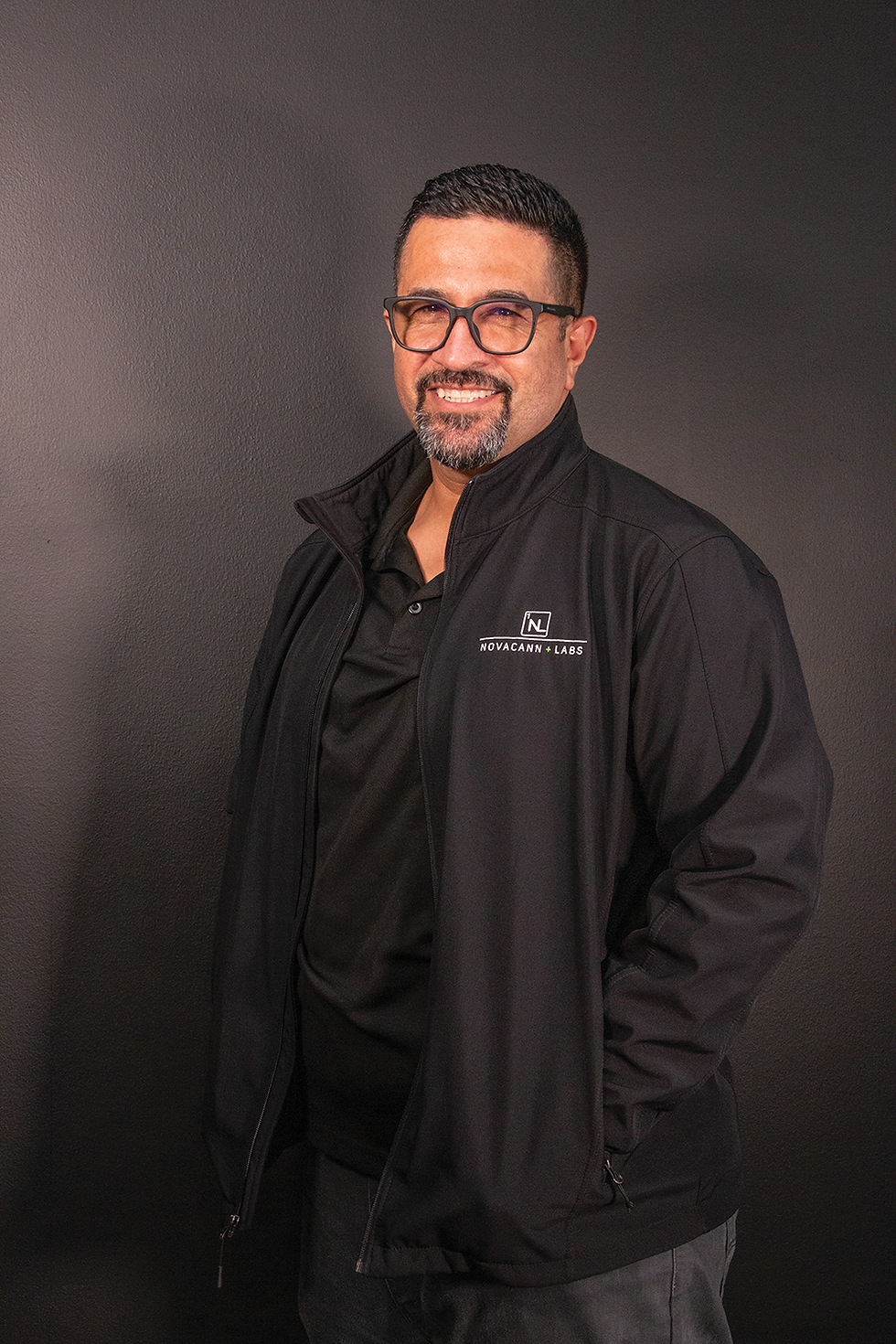
Rafael Ballester
QUALITY DIRECTOR NOVACANN LABS


Comments