


When music speaks a universal language: Bad Bunny, Gorillaz and the Puerto Rican cuatro on the same stage


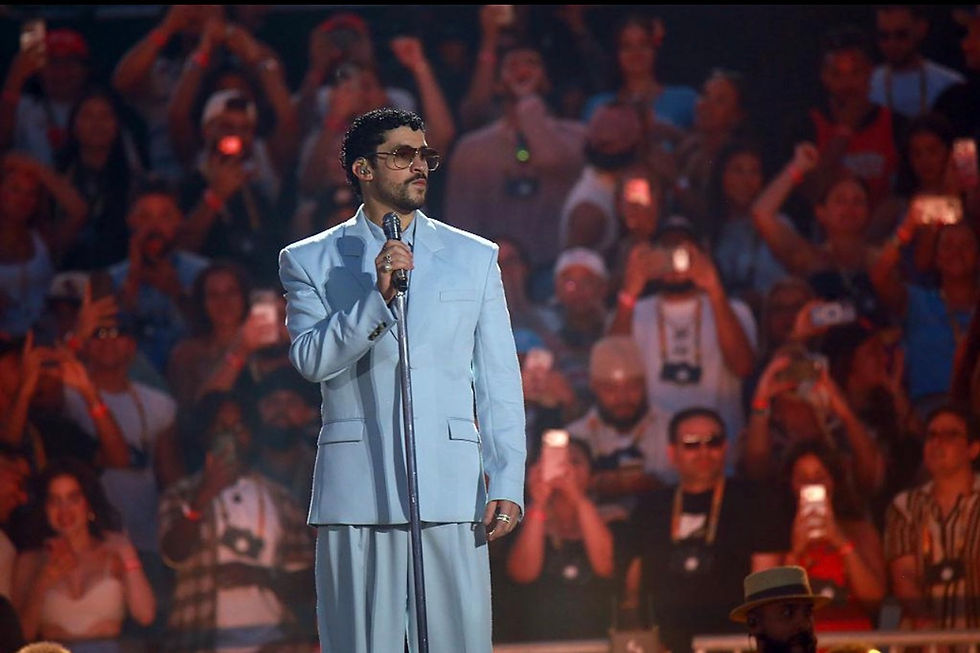
There are moments at concerts that transcend the spectacle itself. They aren't remembered solely for the production, the lights, or the crowd, but for the emotion they evoke and the message they convey. That's precisely what happened during one of Bad Bunny's performances in the Netherlands, when the Puerto Rican artist transformed the stage into a space where cultures, generations, and musical styles found common ground.
The surprise came when the British band Gorillaz appeared to perform "Tormenta" with Bad Bunny, a collaboration that had already united their musical worlds in the studio, but which took on an even deeper meaning on stage. The energy of the crowd confirmed that good music knows no languages, borders, or labels.
However, one of the most moving moments of the night was the appearance of Puerto Rican cuatro player José Eduardo Santana. With the cuatro in his hands, he brought to the stage the most representative sound of Puerto Rico, demonstrating that an instrument with centuries of history can coexist naturally with reggaeton, alternative music, and sonic experimentation.

The image of a Puerto Rican-born urban artist sharing the stage with one of the world's most influential bands, while the Puerto Rican cuatro resonated before thousands of people, was much more than a collaboration. It was a reminder that identity isn't lost when shared; on the contrary, it's strengthened.
In times when differences often dominate the headlines, music continues to demonstrate its power to unite people of different languages, nationalities, and cultures in a shared emotion. During those few minutes, the audience didn't need translations. Simply feeling the performance was enough to understand the message.
Bad Bunny has turned his tour into a showcase for Puerto Rican talent and culture to the world. Every guest, every reference to the island, and every space given to Puerto Rican musicians reaffirms that international success can also serve to open doors to a people's roots.
What happened in the Netherlands will be remembered as one of those moments that remind us why music remains one of humanity's most powerful languages. When artists from different worlds come together with respect, creativity, and authenticity, borders disappear, and only what truly matters remains: the emotion of sharing the same song.


Comments